17 November 2026
English / Русский
The rarest Vogue covers — and what collectors pay for themСамые редкие обложки Vogue — и сколько за них платят коллекционеры
The first issue of 1892, the Art Deco masterpieces, Steichen’s first colour photograph, Dalí’s covers and the firsts that changed fashion: what makes a Vogue rare, and what it is really worth.Первый номер 1892 года, шедевры ар-деко, первая цветная фотография Стайхена, обложки Дали и «первые», изменившие моду: что делает Vogue редким и сколько он стоит на самом деле.

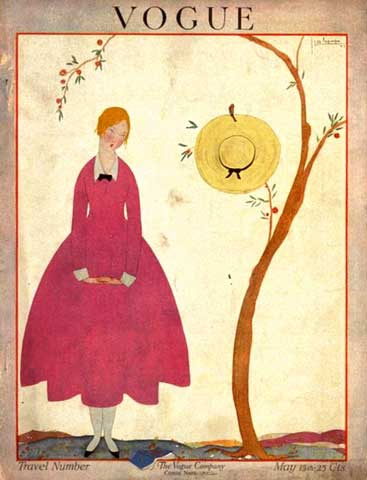
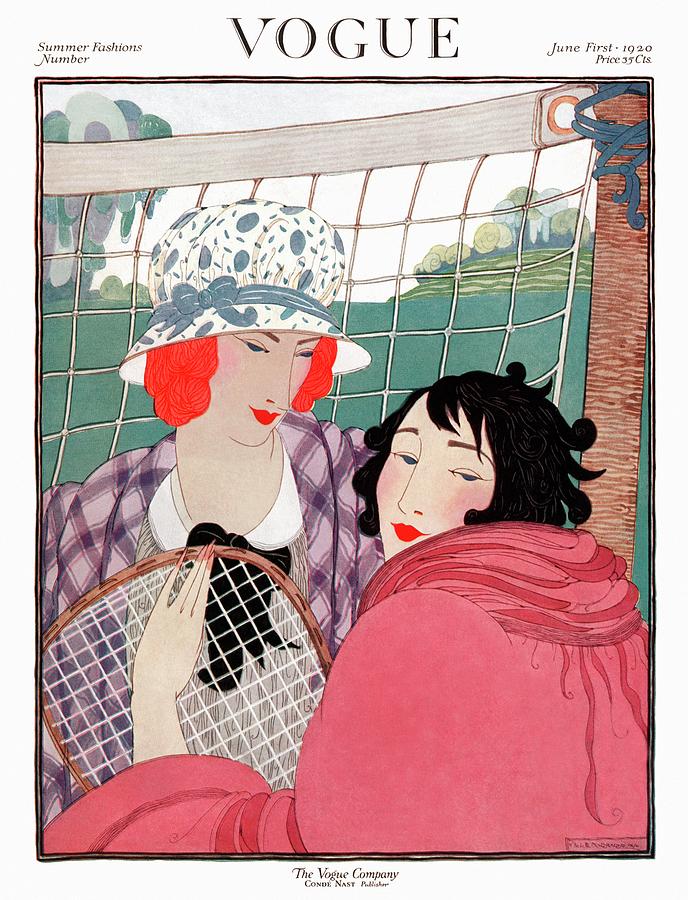
Most old magazines are worth little more than nostalgia. A few issues of Vogue are different: they mark a first, carry the work of a great artist or record a moment in history — and collectors compete for them. Here is what makes a Vogue rare, and what the market really pays. For the covers that made history in the modern era, from Anna Wintour’s first to the supermodels, read our guide to the covers that made history.
The first issue: 17 December 1892
Vogue began in New York as a weekly society paper, founded by Arthur Baldwin Turnure. The first issue cost 10 cents, and its cover was a drawing of a debutante by A. B. Wenzell. Condé Nast bought the magazine in 1909 and turned it into the fashion title we know. Original copies of that first issue almost never come to market; the whole run, from issue one, can be read in the digital Vogue Archive, which many libraries subscribe to.
Art Deco: when covers were paintings
Until the early 1930s every Vogue cover was drawn or painted. Its artists — Georges Lepape, Helen Dryden, Eduardo García Benito and George Wolfe Plank among them — made each one a small work of art, and the original paintings are what serious collectors chase. At Swann Galleries in New York, Lepape’s 1927 cover “Le Miroir” sold in September 2016 for $52,500, against an estimate of $6,000–9,000 — an auction record for the artist. His 1919 cover “Après la Tempête” made $32,500 in December 2017.
The printed magazines of the 1920s are far more accessible. A specialist dealer offers bound volumes of three or four issues from 1925 and 1928 for $650–1,000; single issues from the late 1930s are offered at around $250–350.
1 July 1932: the first colour photograph
Edward Steichen, Condé Nast’s chief photographer from 1923 to 1937, made the first colour photograph ever to appear on a Vogue cover: a swimmer holding a beach ball above her head, on the issue of 1 July 1932. It marked the end of the painted era — and its success pushed Condé Nast to invest in colour printing. Issues from that summer are among the most sought-after of the decade.
Surrealism on the newsstand: Dalí
Salvador Dalí drew the cover of American Vogue for 1 June 1939 — one of his women with a head of flowers — and, according to Tate, made further covers in 1944 and 1946. In December 1971 he went further: he edited the entire Christmas issue of Vogue Paris for the magazine’s fiftieth anniversary, photographed with Philippe Halsman. These issues are prized as much by Dalí collectors as by fashion collectors.
Firsts that changed fashion
In March 1966, British Vogue’s editor Beatrix Miller put Donyale Luna on the cover, photographed by David Bailey — the first Black model on the cover of British Vogue. In August 1974 Beverly Johnson, photographed by Francesco Scavullo, became the first Black model on the cover of American Vogue; she said she only learnt she was the first from reporters. Issues that record such moments are collected for what they stand for, not only for their scarcity.
What makes one copy worth more than another
Condition decides almost everything: a cover that is whole and bright, no subscriber’s address label, no torn or clipped pages. A complete issue is worth far more than a loose cover, and a famous issue more than an ordinary one — Fashionista noted that most issues from the 1990s and 2000s sell for around $15, while famous ones such as the September 2007 issue, the subject of the documentary “The September Issue”, reached about $100. And remember the difference between an original painting, which is art, and a printed magazine, which is a beautiful piece of paper made in tens of thousands of copies.
Where to look
For original cover art, illustration sales at auction houses such as Swann Galleries in New York. For printed issues, dealers in rare periodicals, who describe condition honestly. Ask for photographs of the spine, the back cover and any label — and check that the issue is complete. To study covers before buying, use the Vogue Archive in a library.
Say it right
Lepape: “luh-PAHP”. Steichen: “STY-ken”. Scavullo: “ska-VOOL-oh”. Halsman: “HALS-man”.
Большинство старых журналов стоят немногим больше ностальгии. Но некоторые номера Vogue — другое дело: они знаменуют какое-нибудь «впервые», украшены работой большого художника или фиксируют исторический момент, и коллекционеры за них соревнуются. Вот что делает Vogue редким и сколько рынок платит на самом деле. Об обложках, вошедших в историю в новейшее время, — от первой обложки Анны Винтур до супермоделей — читайте в нашем гиде.
Первый номер: 17 декабря 1892 года
Vogue появился в Нью-Йорке как еженедельная светская газета; его основал Артур Болдуин Тернур. Первый номер стоил 10 центов, на обложке был рисунок дебютантки работы А. Б. Венцелла. В 1909 году журнал купил Конде Наст и превратил его в тот модный журнал, который мы знаем. Оригиналы первого номера почти не появляются на рынке; весь архив, начиная с первого выпуска, можно прочитать в цифровом Vogue Archive, на который подписаны многие библиотеки.
Ар-деко: когда обложки были картинами
До начала 1930-х каждая обложка Vogue была рисунком или картиной. Авторы обложек — среди них Жорж Лепап, Хелен Драйден, Эдуардо Гарсия Бенито и Джордж Вулф Планк — превращали обложку в маленькое произведение искусства, и именно оригиналы этих работ ищут серьёзные коллекционеры. На аукционе Swann Galleries в Нью-Йорке обложка Лепапа «Зеркало» (1927) в сентябре 2016 года ушла за $52 500 при эстимейте $6–9 тысяч — рекорд для художника. Его обложка «После бури» (1919) в декабре 2017-го принесла $32 500.
Печатные журналы 1920-х гораздо доступнее. Специализированный дилер предлагает переплетённые подшивки из трёх-четырёх номеров 1925 и 1928 годов за $650–1000; отдельные номера конца 1930-х — примерно за $250–350.
1 июля 1932 года: первая цветная фотография
Эдвард Стайхен, главный фотограф Condé Nast с 1923 по 1937 год, сделал первую цветную фотографию, появившуюся на обложке Vogue: пловчиха держит над головой пляжный мяч, номер от 1 июля 1932 года. Это означало конец эпохи рисованных обложек — а успех снимка заставил Condé Nast вложиться в цветную печать. Номера того лета — одни из самых желанных для коллекционеров среди выпусков десятилетия.
Сюрреализм в киоске: Дали
Сальвадор Дали нарисовал обложку американского Vogue от 1 июня 1939 года — одну из своих женщин с головой из цветов — и, по данным галереи Тейт, делал обложки также в 1944 и 1946 годах. В декабре 1971-го он пошёл дальше: отредактировал весь рождественский номер Vogue Paris к пятидесятилетию журнала; фотографии для номера он делал вместе с Филиппом Халсманом. Эти номера ценят и коллекционеры Дали, и коллекционеры моды.
«Первые», изменившие моду
В марте 1966 года главный редактор британского Vogue Беатрикс Миллер поставила на обложку Доньель Луну в кадре Дэвида Бейли — первую темнокожую модель на обложке британского Vogue. В августе 1974-го Беверли Джонсон, снятая Франческо Скавулло, стала первой темнокожей моделью на обложке американского Vogue; по её словам, о том, что она первая, она узнала от журналистов. Номера, запечатлевшие такие моменты, собирают ради того, что они значат, а не только из-за редкости.
Почему один экземпляр дороже другого
Почти всё решает состояние: целая, яркая обложка, без наклейки с адресом подписчика, без вырванных или вырезанных страниц. Полный номер стоит гораздо дороже отдельной обложки, а знаменитый — дороже обычного: как писал Fashionista, большинство номеров 1990-х и 2000-х продаются примерно за $15, а знаменитые — например, сентябрьский номер 2007 года, герой документального фильма «Сентябрьский номер», — доходили примерно до $100. И помните разницу между оригинальной картиной — это искусство — и печатным журналом, красивым листом бумаги, выпущенным десятками тысяч экземпляров.
Где искать
Оригиналы обложек — на аукционах иллюстрации, например в Swann Galleries в Нью-Йорке. Печатные номера — у дилеров редкой периодики, которые честно описывают состояние. Попросите фото корешка, задней обложки и наклейки, если она есть, и проверьте, что номер полный. Чтобы изучить обложки до покупки, пользуйтесь Vogue Archive в библиотеке.
Как произносить
Lepape — «лё-ПАП». Steichen — «СТАЙ-кен». Scavullo — «ска-ВУЛ-ло». Halsman — «ХАЛС-ман».
SourcesИсточники
- HISTORY — The first issue of Vogue is published
- Wikipedia — Vogue (magazine)
- Artnet — Lepape’s 1927 Vogue cover breaks the auction record
- Fine Books Magazine — Magazine cover art at Swann Galleries
- Condé Nast Archive (Google Arts & Culture) — Steichen’s first colour cover
- Tate Etc — Dalí and the magazines
- Wikipedia — List of Vogue France guest editors
- V&A — The groundbreaking Black models who changed fashion
- NPR — Beverly Johnson on her historic Vogue cover
- The Cary Collection — Vintage Vogue magazines
- Fashionista — Could your old magazines be worth money?
OHMONDE writes its stories in its own words from the sources above. Spotted an error? hello@ohmonde.com