17 November 2026
English / Русский
Wine, from the label to the last glass: everything you need to understand itВино — от этикетки до последнего бокала: всё, что нужно, чтобы его понимать
The grapes, the great regions, how to read a label and a vintage, how to taste, serve and order — and how to say the names right.Сорта винограда, великие регионы, как читать этикетку и год урожая, как пробовать, подавать и заказывать — и как правильно произносить названия.


Four things decide any bottle: the grape, the place, the year and the maker. Learn to read those four and a wine list stops being a wall of names — it becomes a menu you can talk about. This guide goes from the vine to the table, in the order you will need it.
Old World, New World
Europe names its wines after places: a bottle says Chablis, not Chardonnay; Barolo, not Nebbiolo. The rules of each place (the appellation — AOC in France, DOCG and DOC in Italy, DOCa and DO in Spain) fix which grapes may grow there, how much, and how long the wine must age. The rest of the world — the United States, Australia, New Zealand, South America, South Africa — usually names the grape on the label. So in Europe you learn the map; elsewhere you learn the grapes.
The grapes to know
Reds. Cabernet Sauvignon: firm, dark fruit, built to age — the backbone of Bordeaux’s Left Bank and of Napa Valley. Merlot: rounder and softer, the soul of Pomerol and Saint-Émilion. Pinot Noir: pale, fragrant, silky — the red of Burgundy and of Champagne’s blends. Syrah (Shiraz in Australia): pepper, olives, dark fruit — the northern Rhône and the Barossa. Nebbiolo: pale in colour but powerful, with roses, tar and strong tannin — Barolo and Barbaresco. Sangiovese: cherry and high acidity — Chianti Classico and Brunello di Montalcino. Tempranillo: the grape of Rioja and Ribera del Duero. Grenache: ripe and generous — Châteauneuf-du-Pape.
Whites. Chardonnay changes with the place: steely in Chablis, rich and nutty in Meursault, buttery when aged in new oak. Sauvignon Blanc: grass, citrus and gooseberry — Sancerre, and New Zealand’s Marlborough. Riesling: high acidity, from bone-dry to lusciously sweet, and it ages for decades — Germany, Alsace, Austria. Chenin Blanc: the Loire’s Vouvray and Savennières, and South Africa’s signature white.
Bordeaux
The river divides Bordeaux. On the Left Bank (the Médoc and Graves) Cabernet Sauvignon leads the blend; on the Right Bank (Saint-Émilion and Pomerol) Merlot does. In 1855, for the Paris Universal Exhibition, the region’s brokers ranked its estates in five “growths”. The first growths are Château Lafite Rothschild, Latour, Margaux and Haut-Brion — joined in 1973 by Mouton Rothschild, the only change the list has ever seen. The same ranking put Château d’Yquem, in Sauternes, alone at the very top of the sweet wines. Pomerol has no classification at all, yet it is home to Pétrus.
A smart buy: most great châteaux make a “second wine” from younger vines and barrels left out of the grand vin — Carruades de Lafite, Les Forts de Latour, Pavillon Rouge du Château Margaux. Same team, same soil, a fraction of the price.
Burgundy
Burgundy makes its reds from Pinot Noir and its whites from Chardonnay, and it is all about the exact plot. UNESCO listed its “climats” — more than a thousand named vineyards, some walled since the Middle Ages — in 2015. The ladder runs from regional wines (Bourgogne) to village wines (Gevrey-Chambertin, Puligny-Montrachet), then Premier Cru vineyards, and at the top 33 Grand Crus — about one per cent of the wine. A Grand Cru label often shows only the vineyard: Montrachet, Musigny, Chambertin. Romanée-Conti, a vineyard of under two hectares owned by a single estate, makes the world’s most sought-after wine; a bottle of its 1945 sold at Sotheby’s New York in 2018 for $558,000.
Two words to know: “domaine” (an estate that grows its own grapes) and “négociant” (a house that buys grapes or wine and bottles it under its name). Many great Burgundies come from both.
Champagne
Only sparkling wine from the Champagne region, made with a second fermentation in the bottle, may be called Champagne; the grapes are Chardonnay, Pinot Noir and Meunier. Most bottles are non-vintage — a blend of years that keeps the house style the same — and must rest at least 15 months in the cellar; a vintage Champagne comes from one great year and rests at least three. Blanc de blancs means white grapes only (Chardonnay); blanc de noirs, black grapes only.
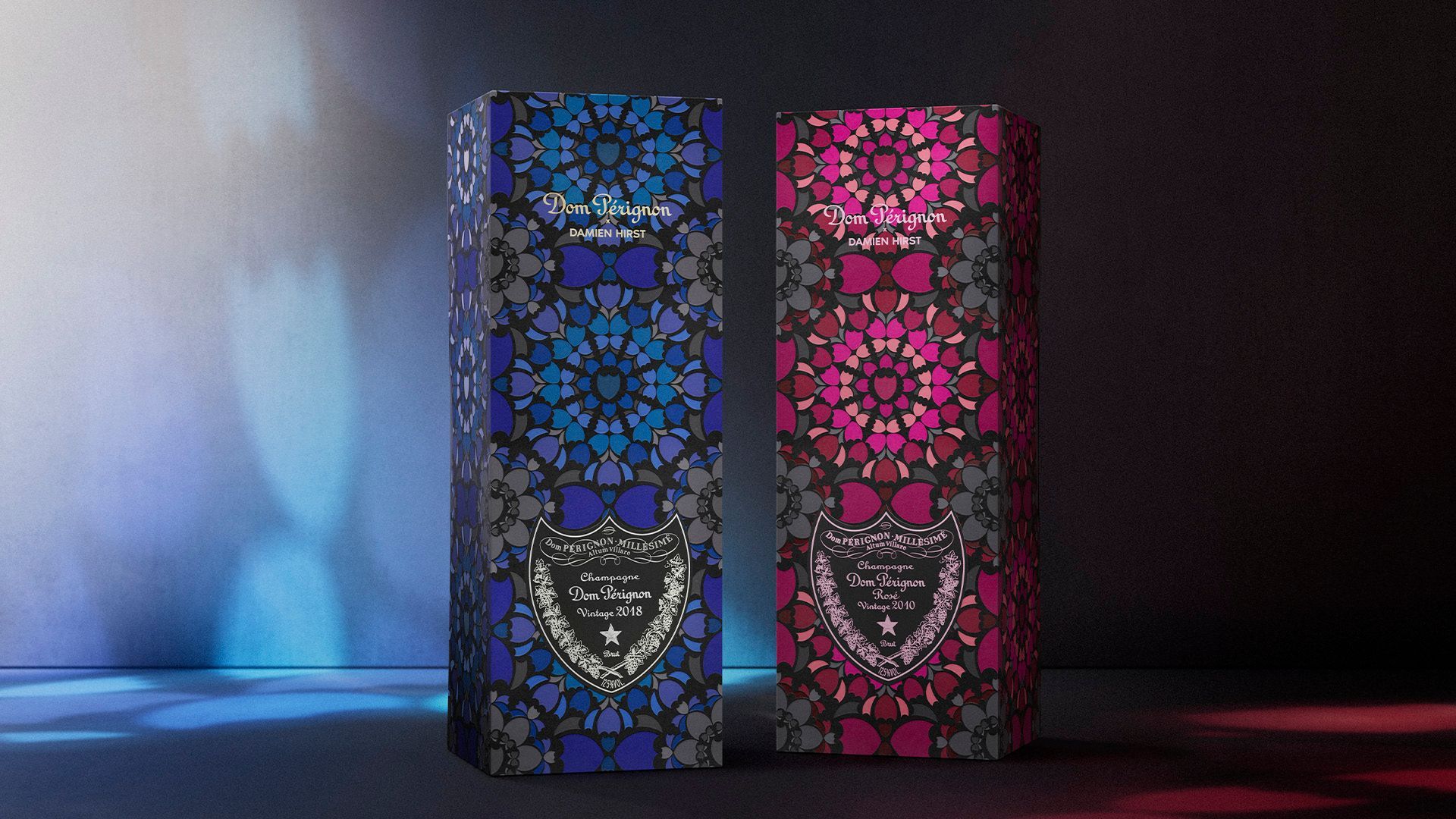
The sweetness scale catches everyone: Brut Nature and Extra Brut are the driest, Brut is the classic, and Extra Dry is actually sweeter than Brut. Prestige cuvées are each house’s finest: Dom Pérignon from Moët & Chandon, Cristal from Louis Roederer (first made for Tsar Alexander II), Krug Grande Cuvée, Salon. On the label, “RM” marks a grower who makes wine from their own grapes — the small producers sommeliers love; “NM” marks a house that buys grapes.
Italy
Piedmont gives Barolo and Barbaresco, both from Nebbiolo — Barolo must age at least 38 months before release. Tuscany gives Chianti Classico (the black rooster on the neck) and Brunello di Montalcino, pure Sangiovese released five years after the harvest. The Super Tuscans broke the rules in the 1970s with Cabernet and Merlot and became legends: Sassicaia, Tignanello, Ornellaia, Masseto. In the Veneto, Amarone is made from grapes dried for months before pressing, which gives it its depth. The quality ladder reads DOCG, DOC, then IGT — though some of Italy’s most famous wines chose the humble IGT on purpose.
Spain and Portugal
Rioja ages its Tempranillo on a ladder printed on the back label: Crianza, Reserva and, longest of all, Gran Reserva — at least five years before release, two of them in barrel. Ribera del Duero is home to Vega Sicilia, whose Único is released only after a decade. Sherry, from Jerez, runs from bone-dry Fino and Manzanilla to nutty Amontillado and Oloroso and syrupy Pedro Ximénez. Port comes from Portugal’s Douro valley: a Vintage Port is “declared” only in great years and needs decades; a Tawny ages in wood and is labelled 10, 20, 30 or 40 years old.
The rest of the great wine world
The Rhône: Syrah in the north (Côte-Rôtie, Hermitage) and Grenache-led blends in the south, where Châteauneuf-du-Pape permits up to 13 grape varieties. The Loire: Sancerre, Pouilly-Fumé, Vouvray. Germany ranks Riesling by the ripeness of the grapes at harvest — Kabinett, Spätlese, Auslese, up to Trockenbeerenauslese and Eiswein — and “trocken” on the label means dry. The great sweet wines — Sauternes and Hungary’s Tokaji Aszú — are made from grapes shrivelled by noble rot.
Beyond Europe: in 1976, at the blind tasting known as the Judgment of Paris, a Napa Cabernet from Stag’s Leap Wine Cellars and a Chardonnay from Chateau Montelena beat the French — and California became serious. Napa’s cult Cabernets (Screaming Eagle, Harlan Estate, Opus One — a venture of Robert Mondavi and Baron Philippe de Rothschild) now sell like Bordeaux first growths. Australia’s icon is Penfolds Grange; New Zealand means Marlborough Sauvignon Blanc and Central Otago Pinot Noir; Argentina means Malbec from Mendoza; Chile, Cabernet and Carmenère; South Africa, Stellenbosch reds and Chenin Blanc.
How to read a label
Look for the producer, the place, the vintage and any classification. “Mis en bouteille au château” or “au domaine” means bottled at the estate. A “clos” is a walled vineyard; a “monopole” has a single owner; a “cuvée” is a particular blend or selection; “vieilles vignes” (old vines) promises concentration but has no legal definition. Careful with “Grand Cru”: in Burgundy it names a vineyard, while in Saint-Émilion it can be a fairly modest level — the top estates there are “Premier Grand Cru Classé”.
Vintages
The vintage is the year the grapes were picked, and the weather of that year matters most where the climate is marginal: Bordeaux, Burgundy, Champagne, Piedmont, Germany. In Bordeaux, 2005, 2009, 2010, 2015, 2016, 2019 and 2020 are celebrated years. Young great vintages are not ready to drink — a classed-growth Bordeaux or a Barolo often needs ten years or more — while lighter years open sooner and are often the better buy for tonight.
How to taste
Look, swirl, smell, sip. Swirling releases the aromas; most of what we call taste is actually smell. In the mouth, notice five things: sweetness (“dry” simply means not sweet), acidity (the mouth-watering freshness), tannin (the drying grip, from grape skins and oak, mostly in reds), alcohol (warmth) and body (light like skimmed milk, or full like cream). Then the finish: how long the flavour stays. A long finish is a sign of quality. Aromas come in three layers — fruit and flowers from the grape; vanilla, toast or butter from winemaking and oak; and with age, leather, mushroom, tobacco, honey or nuts.
Serving
Temperature changes everything. Champagne and sparkling wine: 6–10°C. Light whites: 7–10°C; rich whites such as white Burgundy: 10–13°C. Light reds such as Pinot Noir: 13–16°C; full reds: 15–18°C — most reds are served too warm, so ten minutes in the fridge helps. Decant a young, powerful red an hour or two ahead to soften it; decant an old wine gently, just before serving, to leave the sediment behind; Vintage Port is always decanted. Hold the glass by the stem, and fill it to about a third so there is room to swirl. Champagne shows best in a tulip-shaped or white-wine glass rather than a coupe.
At the restaurant
Tell the sommelier what you like and point to a price on the list — “something like this” sets the budget without saying it aloud. When the bottle arrives, check the name and the vintage. The small taste poured for the host is to check that the wine is sound, not whether you like it: the one fault worth sending back is cork taint, which smells of wet cardboard or a damp cellar; a wine that tastes flat, brown or stewed may be oxidised or heat-damaged. Serve in this order: sparkling before still, white before red, light before full, young before old, dry before sweet.
Food and wine
Match weight with weight: delicate fish with a light white, a steak with a full red. Acidity cuts through fat and cream; tannin loves protein, which is why Cabernet and beef work. Salty and fried food is wonderful with Champagne. A sweet wine must be sweeter than the dessert, or it tastes sour. Chilli prefers an off-dry Riesling and suffers with high-alcohol reds. And what grows together goes together: Chianti with bistecca, Sancerre with the local goat’s cheese, Sauternes with Roquefort, oysters with Chablis.
Buying and collecting
Fine wine is bought young and kept: dark, still, at about 12–14°C, bottles lying down. Each spring Bordeaux sells its newest vintage “en primeur”, as futures, delivered about two years later. Serious collectors store wine “in bond”, in professional warehouses where taxes are paid only when bottles leave. The market follows critics’ scores — the 100-point scale popularised by Robert Parker, Jancis Robinson’s 20 points, Decanter and Wine Spectator — and indices such as the Liv-ex Fine Wine 100. Provenance is everything at the top: fakes exist, so rare bottles should come from merchants and auction houses that guarantee where a wine has been.
Two titles signal real expertise: Master Sommelier, from the Court of Master Sommeliers, and Master of Wine, from the Institute of Masters of Wine. Only a few hundred people in the world hold each.
Say it right
Moët is “mo-ETT” — the t is spoken. Château d’Yquem: “dee-KEM”. Meursault: “mur-SOH”. Montrachet: “mon-rah-SHAY”, the first t silent. Pinot Noir: “PEE-noh NWAHR”. Riesling: “REES-ling”. Nebbiolo: “neb-YOH-loh”. Côte-Rôtie: “coat roh-TEE”. Viognier: “vee-oh-NYAY”. Gewürztraminer: “geh-VURTS-trah-mee-ner”. For what the medals on a bottle mean, read how to read a medal.
Любую бутылку определяют четыре вещи: сорт винограда, место, год и производитель. Научитесь читать эти четыре вещи — и винная карта перестанет быть стеной из названий и станет меню, о котором можно говорить. Этот гид идёт от лозы к столу — в том порядке, в котором он вам пригодится.
Старый Свет и Новый Свет
Европа называет вина по месту: на бутылке написано Chablis, а не Chardonnay; Barolo, а не Nebbiolo. Правила каждого места (апелласьон — AOC во Франции, DOCG и DOC в Италии, DOCa и DO в Испании) определяют, какие сорта там можно выращивать, в каком количестве и сколько вино должно выдерживаться. Остальной мир — США, Австралия, Новая Зеландия, Южная Америка, ЮАР — обычно пишет на этикетке сорт. Поэтому в Европе учат карту, а в остальном мире — сорта.
Сорта, которые нужно знать
Красные. Cabernet Sauvignon — плотный, с тёмными ягодами, создан для выдержки: основа левого берега Бордо и долины Напа. Merlot — круглее и мягче, душа Pomerol и Saint-Émilion. Pinot Noir — светлый, ароматный, шелковистый: красное вино Бургундии и часть шампанских купажей. Syrah (в Австралии — Shiraz) — перец, оливки, тёмные ягоды: северная Рона и Баросса. Nebbiolo — светлый по цвету, но мощный, с розой, смолой и сильными танинами: Barolo и Barbaresco. Sangiovese — вишня и высокая кислотность: Chianti Classico и Brunello di Montalcino. Tempranillo — сорт Риохи и Рибера-дель-Дуэро. Grenache — спелый и щедрый: Châteauneuf-du-Pape.
Белые. Chardonnay меняется вместе с местом: стальной в Шабли, насыщенный и ореховый в Мерсо, сливочный после выдержки в новом дубе. Sauvignon Blanc — трава, цитрус и крыжовник: Сансер и новозеландский Мальборо. Riesling — высокая кислотность, от совершенно сухого до очень сладкого, и стареет десятилетиями: Германия, Эльзас, Австрия. Chenin Blanc — Вувре и Савеньер в долине Луары и главное белое вино ЮАР.
Бордо
Бордо делит река. На левом берегу (Медок и Грав) в купаже главный Cabernet Sauvignon, на правом (Saint-Émilion и Pomerol) — Merlot. В 1855 году, к Всемирной выставке в Париже, брокеры региона разделили поместья на пять «крю». Первые крю — Château Lafite Rothschild, Latour, Margaux и Haut-Brion, а в 1973 году к ним присоединился Mouton Rothschild — единственное изменение за всю историю списка. Та же классификация поставила Château d’Yquem из Сотерна особняком, на самую вершину сладких вин. В Pomerol классификации нет вовсе — и всё же именно там находится Pétrus.
Умная покупка: большинство великих шато делают «второе вино» из более молодых лоз и бочек, не вошедших в grand vin, — Carruades de Lafite, Les Forts de Latour, Pavillon Rouge du Château Margaux. Та же команда, та же земля, а цена в разы ниже.
Бургундия
Красные вина Бургундии делают из Pinot Noir, белые — из Chardonnay, и здесь всё решает конкретный участок. В 2015 году ЮНЕСКО внесла в свой список бургундские «климаты» — больше тысячи именованных виноградников, некоторые из которых обнесены стенами со Средних веков. Лестница идёт от региональных вин (Bourgogne) к деревенским (Gevrey-Chambertin, Puligny-Montrachet), затем к виноградникам Premier Cru и на вершине — 33 Grand Cru, около одного процента всего вина. На этикетке Grand Cru часто указан только виноградник: Montrachet, Musigny, Chambertin. Romanée-Conti — виноградник меньше двух гектаров с единственным владельцем — делает самое желанное вино в мире; бутылку урожая 1945 года продали на Sotheby’s в Нью-Йорке в 2018 году за 558 000 долларов.
Два слова, которые нужно знать: «domaine» (хозяйство, которое само выращивает виноград) и «négociant» (дом, который покупает виноград или вино и разливает его под своим именем). Великие бургундские вина бывают и теми, и другими.
Шампанское
Шампанским может называться только игристое вино из региона Шампань, сделанное со вторичной ферментацией в бутылке; сорта — Chardonnay, Pinot Noir и Meunier. Большинство бутылок — без года урожая: купаж разных лет, который сохраняет стиль дома неизменным, и такое шампанское должно провести в погребе минимум 15 месяцев. Винтажное шампанское делают из одного великого года, и оно выдерживается минимум три года. Blanc de blancs — только белый виноград (Chardonnay); blanc de noirs — только чёрный.
Шкала сладости путает всех: Brut Nature и Extra Brut — самые сухие, Brut — классика, а Extra Dry на самом деле слаще, чем Brut. Престижные кюве — лучшее у каждого дома: Dom Pérignon от Moët & Chandon, Cristal от Louis Roederer (впервые созданный для царя Александра II), Krug Grande Cuvée, Salon. «RM» на этикетке означает винодела, который делает вино из собственного винограда, — маленьких производителей, которых обожают сомелье; «NM» — дом, который покупает виноград.
Италия
Пьемонт даёт Barolo и Barbaresco — оба из Nebbiolo; Barolo должно выдерживаться минимум 38 месяцев до продажи. Тоскана даёт Chianti Classico (чёрный петух на горлышке) и Brunello di Montalcino — чистый Sangiovese, который выходит в продажу через пять лет после урожая. «Супертосканцы» нарушили правила в 1970-х, взяв Cabernet и Merlot, и стали легендами: Sassicaia, Tignanello, Ornellaia, Masseto. В Венето делают Amarone из винограда, который месяцами сушат перед прессованием, — отсюда его глубина. Лестница качества — DOCG, DOC, затем IGT, хотя некоторые из самых знаменитых вин Италии нарочно выбрали скромную IGT.
Испания и Португалия
Риоха выдерживает Tempranillo по лестнице, напечатанной на контрэтикетке: Crianza, Reserva и самая долгая — Gran Reserva, минимум пять лет до продажи, из них два в бочке. В Рибера-дель-Дуэро находится Vega Sicilia, чьё Único выходит только через десять лет. Херес — от совершенно сухих Fino и Manzanilla до ореховых Amontillado и Oloroso и густого Pedro Ximénez. Портвейн делают в долине Дору в Португалии: Vintage Port «объявляют» только в великие годы, и ему нужны десятилетия; Tawny выдерживается в дереве, и на нём пишут 10, 20, 30 или 40 лет.
Остальной великий винный мир
Рона: Syrah на севере (Côte-Rôtie, Hermitage) и купажи на основе Grenache на юге, где в Châteauneuf-du-Pape разрешено до 13 сортов. Луара: Sancerre, Pouilly-Fumé, Vouvray. Германия оценивает Riesling по спелости винограда при сборе — Kabinett, Spätlese, Auslese и выше, до Trockenbeerenauslese и Eiswein, — а «trocken» на этикетке означает «сухое». Великие сладкие вина — Сотерн и венгерский Tokaji Aszú — делают из винограда, иссушенного благородной плесенью.
За пределами Европы: в 1976 году на слепой дегустации, известной как «Парижский суд», каберне из долины Напа от Stag’s Leap Wine Cellars и шардоне от Chateau Montelena обошли французов — и Калифорнию стали воспринимать всерьёз. Культовые каберне Напы (Screaming Eagle, Harlan Estate, Opus One — совместный проект Роберта Мондави и барона Филиппа де Ротшильда) теперь продаются как первые крю Бордо. Икона Австралии — Penfolds Grange; Новая Зеландия — это Sauvignon Blanc из Мальборо и Pinot Noir из Central Otago; Аргентина — Malbec из Мендосы; Чили — Cabernet и Carmenère; ЮАР — красные вина Стелленбоса и Chenin Blanc.
Как читать этикетку
Ищите производителя, место, год урожая и классификацию. «Mis en bouteille au château» или «au domaine» — разлито в поместье. «Clos» — виноградник, обнесённый стеной; «monopole» — у него один владелец; «cuvée» — определённый купаж или отбор; «vieilles vignes» (старые лозы) обещает концентрацию, но юридического определения не имеет. Осторожно с «Grand Cru»: в Бургундии это название виноградника, а в Saint-Émilion — довольно скромный уровень; лучшие поместья там — «Premier Grand Cru Classé».
Год урожая
Винтаж — год, когда собрали виноград, и погода этого года важнее всего там, где климат на грани: Бордо, Бургундия, Шампань, Пьемонт, Германия. В Бордо знамениты 2005, 2009, 2010, 2015, 2016, 2019 и 2020 годы. Молодые великие винтажи ещё не готовы к питью — классифицированному Бордо или Barolo часто нужно десять лет и больше, — а лёгкие годы раскрываются раньше и часто оказываются лучшей покупкой на сегодняшний вечер.
Как пробовать
Посмотрите, покрутите, понюхайте, сделайте глоток. Вращение высвобождает ароматы — большая часть того, что мы называем вкусом, на самом деле запах. Во рту обратите внимание на пять вещей: сладость («сухое» означает просто «не сладкое»), кислотность (освежающая, вызывающая слюну), танины (вяжущее ощущение от кожицы винограда и дуба, в основном в красных), алкоголь (тепло) и тело (лёгкое, как обезжиренное молоко, или полное, как сливки). Затем послевкусие: как долго держится вкус. Длинное послевкусие — признак качества. Ароматы складываются из трёх слоёв: фрукты и цветы от винограда; ваниль, тост или сливочное масло от винификации и дуба; а с возрастом — кожа, грибы, табак, мёд или орехи.
Подача
Температура меняет всё. Шампанское и игристые: 6–10°C. Лёгкие белые: 7–10°C; насыщенные белые, например белая Бургундия: 10–13°C. Лёгкие красные, например Pinot Noir: 13–16°C; полнотелые красные: 15–18°C — большинство красных подают слишком тёплыми, поэтому десять минут в холодильнике помогают. Молодое мощное красное декантируйте за час-два, чтобы оно смягчилось; старое вино декантируйте бережно, прямо перед подачей, чтобы оставить осадок; Vintage Port декантируют всегда. Держите бокал за ножку и наливайте примерно на треть, чтобы было место для вращения. Шампанское лучше раскрывается в бокале-тюльпане или бокале для белого вина, чем в широком «блюдце».
В ресторане
Расскажите сомелье, что вам нравится, и укажите на цену в карте — «что-то в этом духе» задаёт бюджет, не называя его вслух. Когда принесут бутылку, проверьте название и год. Небольшой глоток, который наливают хозяину стола, — чтобы проверить, что вино не испорчено, а не понравилось ли оно вам: единственный дефект, ради которого стоит вернуть бутылку, — пробковый, с запахом мокрого картона или сырого погреба; вино с плоским, бурым или «варёным» вкусом могло окислиться или перегреться. Порядок подачи: игристое перед тихим, белое перед красным, лёгкое перед полнотелым, молодое перед старым, сухое перед сладким.
Еда и вино
Сочетайте вес с весом: нежную рыбу — с лёгким белым, стейк — с полнотелым красным. Кислотность прорезает жир и сливки; танины любят белок — поэтому Cabernet и говядина так хороши вместе. Солёное и жареное прекрасно с шампанским. Сладкое вино должно быть слаще десерта, иначе оно кажется кислым. Острому подходит полусухой Riesling, а крепкие красные с ним страдают. И что растёт вместе, то и сочетается: Chianti с бистеккой, Sancerre с местным козьим сыром, Сотерн с рокфором, устрицы с Шабли.
Покупка и коллекция
Коллекционное вино покупают молодым и хранят: в темноте, в покое, при 12–14°C, бутылки лёжа. Каждую весну Бордо продаёт новый урожай «en primeur», как фьючерсы, с поставкой примерно через два года. Серьёзные коллекционеры хранят вино «in bond» — на профессиональных складах, где налоги платят только тогда, когда бутылки покидают склад. Рынок следует оценкам критиков — 100-балльной шкале, которую сделал популярной Роберт Паркер, 20 баллам Дженсис Робинсон, Decanter и Wine Spectator — и индексам вроде Liv-ex Fine Wine 100. На вершине рынка решает происхождение: подделки существуют, поэтому редкие бутылки стоит покупать у торговцев и аукционных домов, которые гарантируют историю вина.
Два титула говорят о настоящей экспертизе: Master Sommelier от Court of Master Sommeliers и Master of Wine от Institute of Masters of Wine. Каждый из них носят лишь несколько сотен человек в мире.
Как произносить
Moët — «моЭт», «т» произносится. Château d’Yquem — «дикЕм». Meursault — «мюрСО». Montrachet — «монраШЕ», первая «т» не читается. Pinot Noir — «пинО нуАр». Riesling — «рИслинг». Nebbiolo — «небьОло». Côte-Rôtie — «кот ротИ». Viognier — «вионьЕ». Gewürztraminer — «гевюрцтраМИнер». Что означают медали на бутылке — читайте в материале как читать медаль.
SourcesИсточники
- WSET — the systematic approach to tasting wine
- Comité Champagne — the appellation and its rules
- Bourgogne Wines — appellations and climats
- UNESCO — The Climats, terroirs of Burgundy
- Wikipedia — Bordeaux Wine Official Classification of 1855
- Wikipedia — Judgment of Paris (wine)
- Wikipedia — Domaine de la Romanée-Conti
- Institute of Masters of Wine
- Court of Master Sommeliers
OHMONDE writes its stories in its own words from the sources above. Spotted an error? hello@ohmonde.com